
The Ultimate Young Person's Risk Assessment Guide
Supporting young people in accommodation settings requires balancing independence with safety. This guide gives key workers and support staff a practical framework.
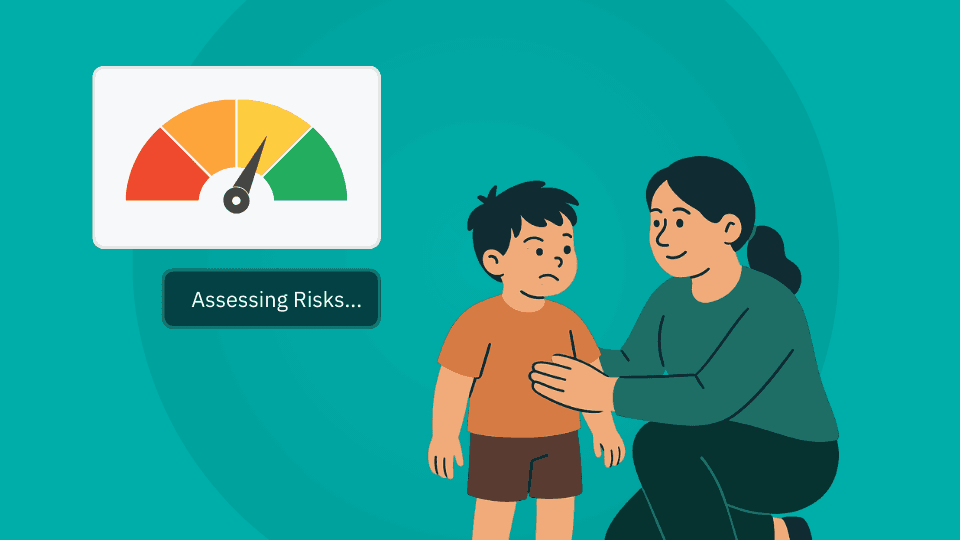
Supporting young people in accommodation settings requires balancing independence with safety. Lower levels of supervision mean risk assessment must consider what happens when staff are not present — making thorough, living documents essential for every young person in your care.
Who This Guide Is For
This guide is designed for key workers, support staff, team leaders, local authority coordinators, housing officers, and personal advisers working across semi-independent 16+ services, housing-led accommodation, leaving care services, and specialist housing projects.
Key Sections
- Start with the Bigger PictureUnderstanding each young person's pathway plan, legal status, mental health history, engagement levels, and any previous tenancy issues ensures assessments remain proportionate and contextual.
- Identify Risks by ThemeCommon areas include missing episodes, mental health concerns, exploitation risks, substance use, aggressive behaviour, tenancy stability, financial exploitation, online safety, visitor management, and fire safety.
- Use a Clear, Practical Risk Assessment FormatEffective assessments should include risk descriptions, likelihood ratings (low/medium/high), impact analysis, known triggers, protective factors, specific actions, staff responsibilities, and review dates.
- Balance Safety with IndependenceRisk assessments should prepare young people for potential challenges and set fair boundaries — rather than eliminate all risk — promoting personal accountability alongside support.
- Involve the Young PersonCollaboration increases engagement and improves outcomes through reflection, discussion, and co-creation of strategies. The young person should be a named participant in their own risk assessment.
- Work with Partners and Share SafelyCoordination with social workers, youth offending teams, mental health professionals, and other services strengthens safety planning and avoids information silos.
- Keep It Live and UsefulRegular reviews should follow incidents, moves, support changes, or transitions to independence. A risk assessment that is never updated is a risk in itself.
Final Checklist
Good risk assessment is not about predicting everything — it is about building understanding and reducing harm. Before signing off any risk assessment, ensure it meets these nine criteria:
- Written collaboratively with the young person
- Identifies specific, named risks (not generic categories)
- Includes likelihood and impact ratings
- Lists known triggers and protective factors
- Assigns clear staff responsibilities for each action
- States a review date — and is actually reviewed on that date
- Shared with all relevant parties securely
- Linked to the young person's support plan
- Updated after any significant incident or change